Decarbonization and cost reduction for your industry through energy solutions.
The Food & Beverage industry combines continuous growth, high operational requirements, cost reduction, and pressure for sustainability. With processes that demand large amounts of electricity, steam, and other utilities, the sector is stepping up investment in electrification, supply reliability, and the adoption of integrated solutions that reduce costs, emissions, and operational risks.
Ecogen helps your industry turn these challenges into a competitive advantage—transforming them into benefits for your operation.
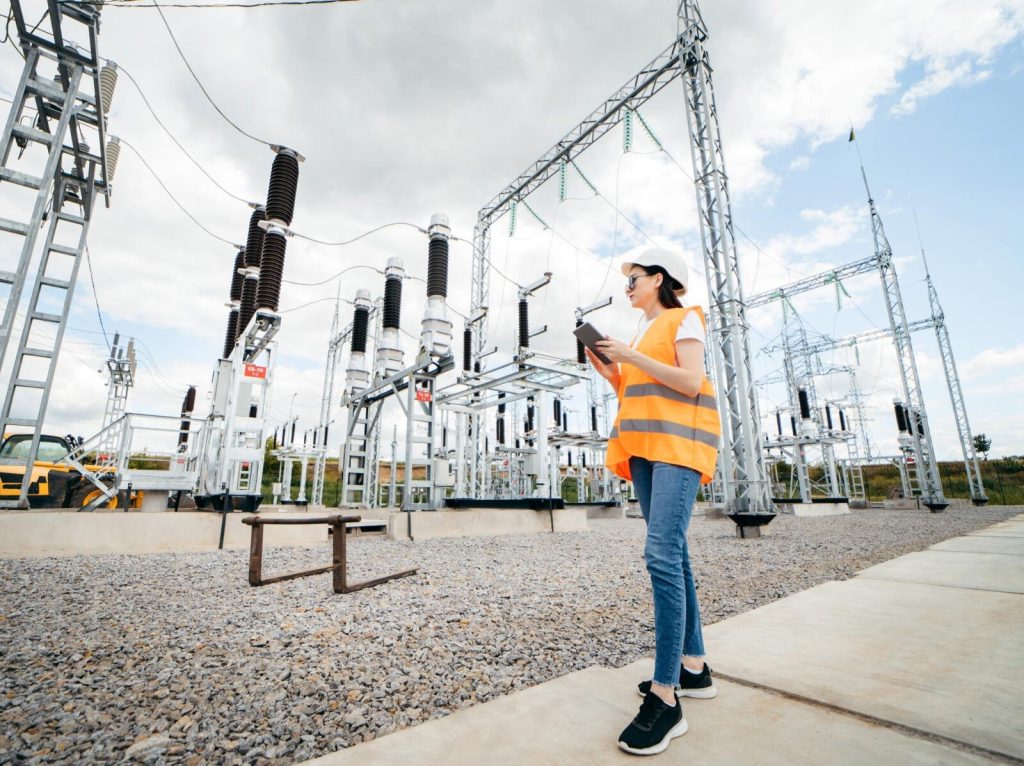
Stable, safe power supply compatible with continuous and sensitive processes. By reducing the risk of failures, production losses, and quality impacts, it enables plant expansion, process electrification, and higher operational efficiency—supporting competitiveness and sustainability targets.
They serve critical thermal processes with high efficiency, reliability, and a lower carbon intensity. They replace fossil fuels, reduce emissions and operating costs, and offer flexibility to support electrification, production expansion, and the sector’s sustainability goals.
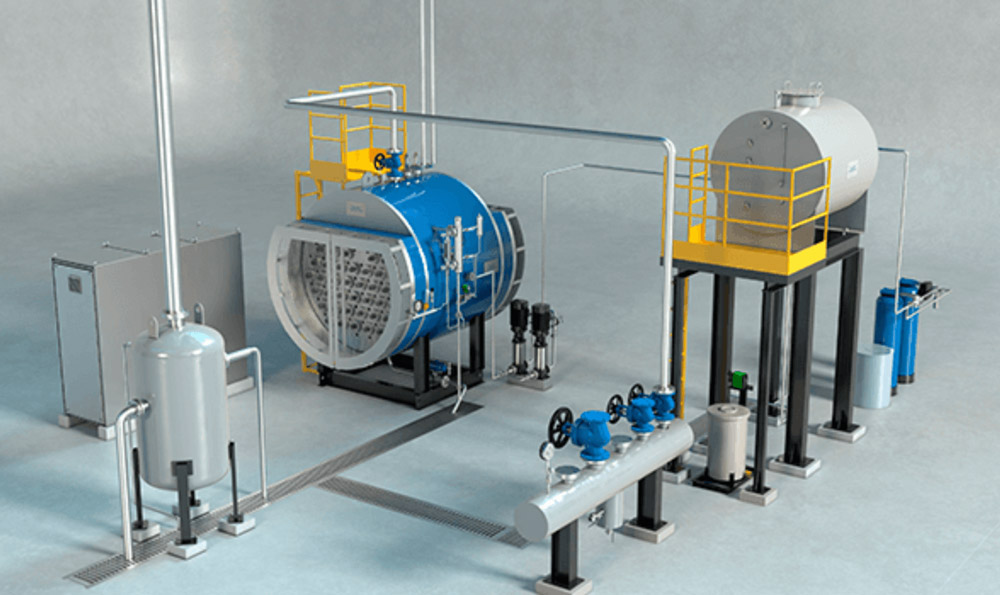
We develop generation and cogeneration solutions that integrate electrical and thermal energy in high-efficiency systems. This approach optimizes energy use and simultaneously meets the demands for electricity, steam, and process heat.
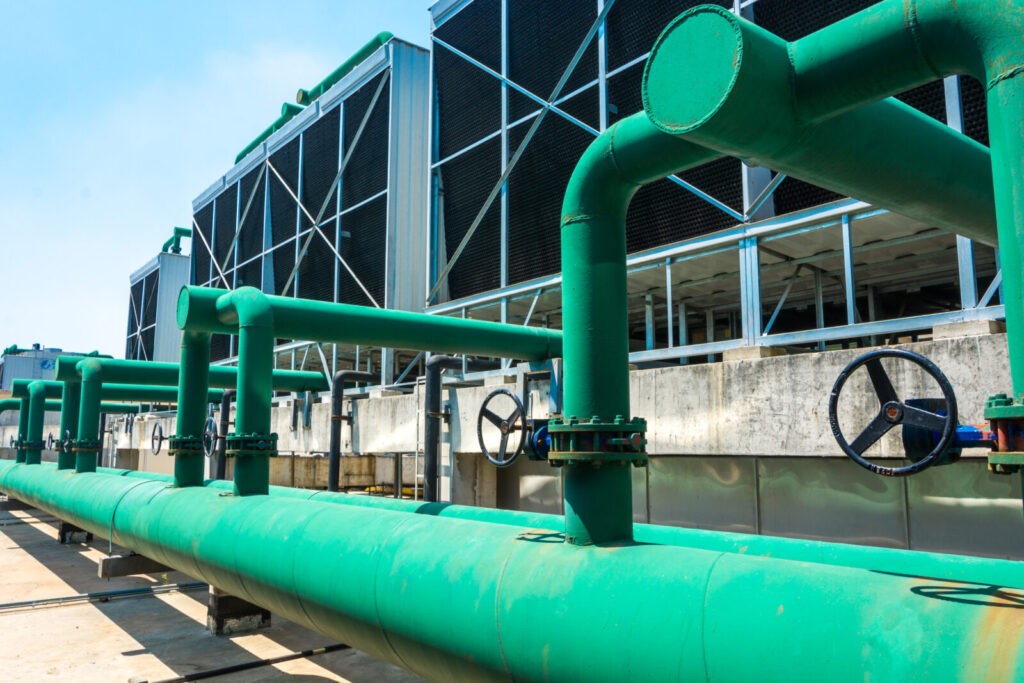
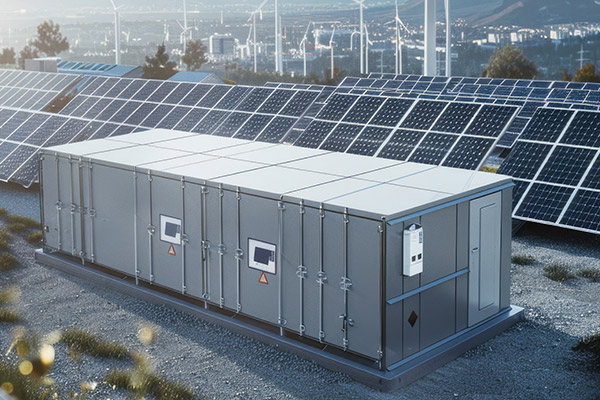
Battery systems to support the grid, enabling peak shaving (reduced demand during peak hours) and ensuring operational continuity in the event of micro-interruptions, which can cause extremely costly production shutdowns.
Contact one of our consultants—we’ll help you, free of charge, identify operational improvement opportunities related to energy, so your business becomes more efficient and competitive in an increasingly challenging market.
Decarbonizing the Food & Beverage industry increasingly depends on transforming how electrical and thermal energy is generated and used. Processes such as refrigeration, heating, steam, and cooking require high reliability and run continuously, making the replacement of fossil fuels with electric solutions, biomass, and cogeneration a strategic step. By integrating efficient energy generation and low-carbon sources, industries reduce emissions, increase operational efficiency, and strengthen competitiveness in a market that is increasingly demanding on sustainability.
To ensure an efficient, high-quality utilities supply with predictable costs, Ecogen implemented a natural gas cogeneration plant sized to meet the facility’s various demands. The solution comprises three generator sets with a combined capacity of 12,000 kW, two hot water absorption chillers totaling 1,400 TR, three heat recovery boilers with a capacity of 6.9 t/h, and three natural gas-fired boilers with a capacity of 16.8 t/h. The facility also includes a 500 kg/h nitrogen-enriched air compressor and a dedicated CO₂ generation plant. With Ecogen responsible for the operation and maintenance of the entire plant, the project ensures an integrated supply of electricity, chilled water, steam, nitrogen and CO₂, enhancing operational reliability and predictability.
Plant utilities delivered at a fixed price
Surplus energy allocated to other group units, with a 50% discount on the TUSD (distribution grid usage tariff)
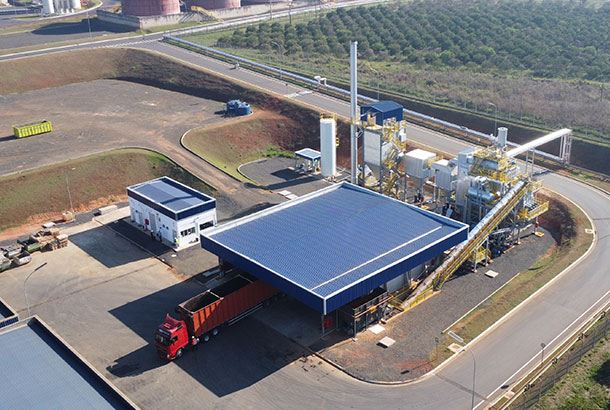
To reduce steam production costs, Ecogen developed a tailored industrial solution based on a biomass boiler with a capacity of 15 tons per hour. The project lowered operating costs and the emissions associated with steam generation, contributing to a more sustainable and environmentally responsible operation.
Reduced operating costs
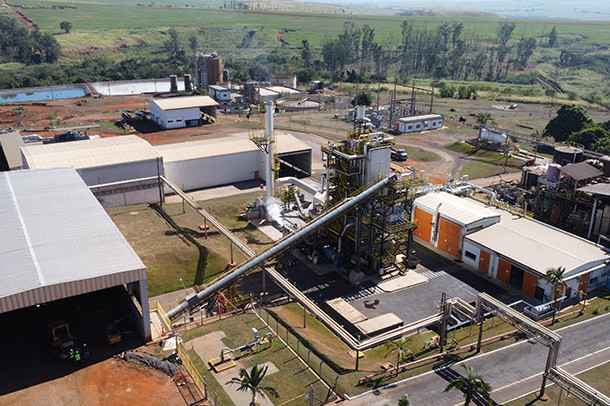
To reduce costs and increase utility-generation reliability, Ecogen implemented a biomass-fired Rankine Cycle solution. With the installation of a 25-ton-per-hour boiler and a 3 MW steam turbine, the project ensured high operational availability, thermal efficiency, and meaningful environmental gains for Primient’s operation.
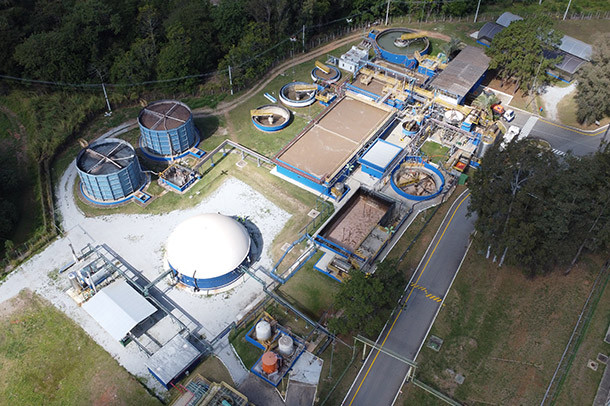
To reduce costs and emissions in thermal energy generation, Ecogen implemented an innovative solution to produce and use biogas from organic waste generated by Unilever’s own production process. With a dedicated biodigestion plant, the project replaced LPG in the ovens, ensuring higher energy efficiency, sustainable waste destination, and continuous operation with high reliability. Developed with academic support and fully funded by Ecogen, the solution turned environmental liabilities into an energy input, strengthening the site’s circular economy strategy.
Request a free energy landscape assessment for your food and beverage industry.