

Energy efficiency, operational reliability, cost reduction, and decarbonization for critical industrial operations.
The automotive value chain is undergoing a period of profound transformation, driven by pressure for operational efficiency, cost reduction, and lower emissions. Energy-intensive electrical and thermal processes require high reliability, predictable costs, and solutions aligned with decarbonization and ESG targets. We work side by side with the industry to design robust, flexible, low-carbon energy systems—ensuring operational security today and long-term sustainability.
We turn energy challenges into efficiency, predictability, operational reliability, and a sustainable competitive advantage.
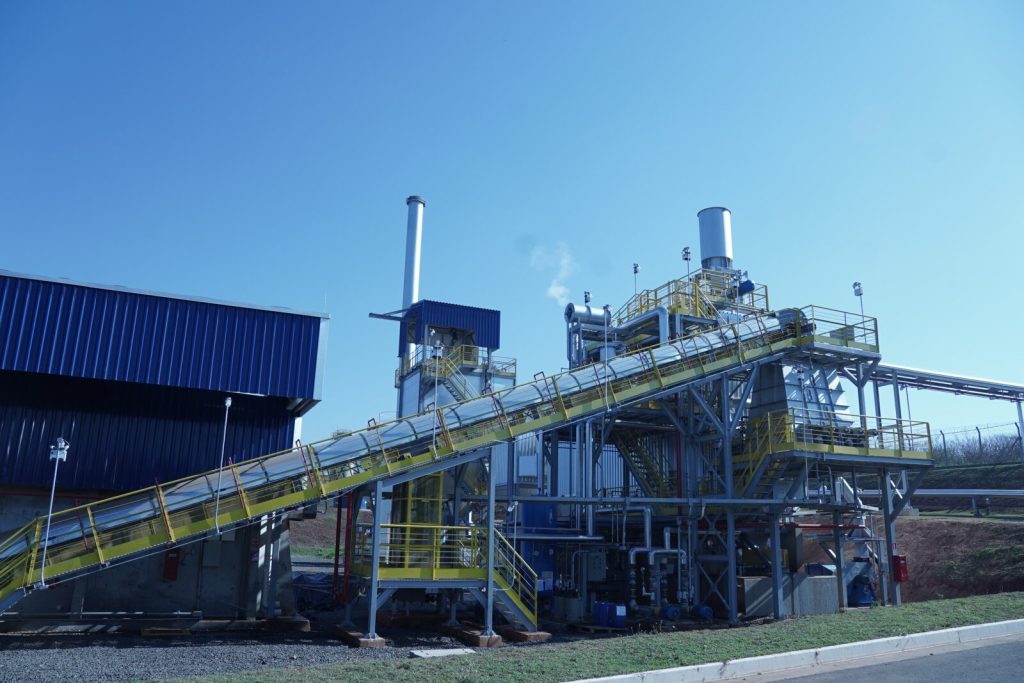
Steam and hot-water generation from biomass, reducing emissions and operating costs. Suitable for critical processes such as painting, surface treatment, industrial washing, and heating production lines, with high availability and thermal stability.
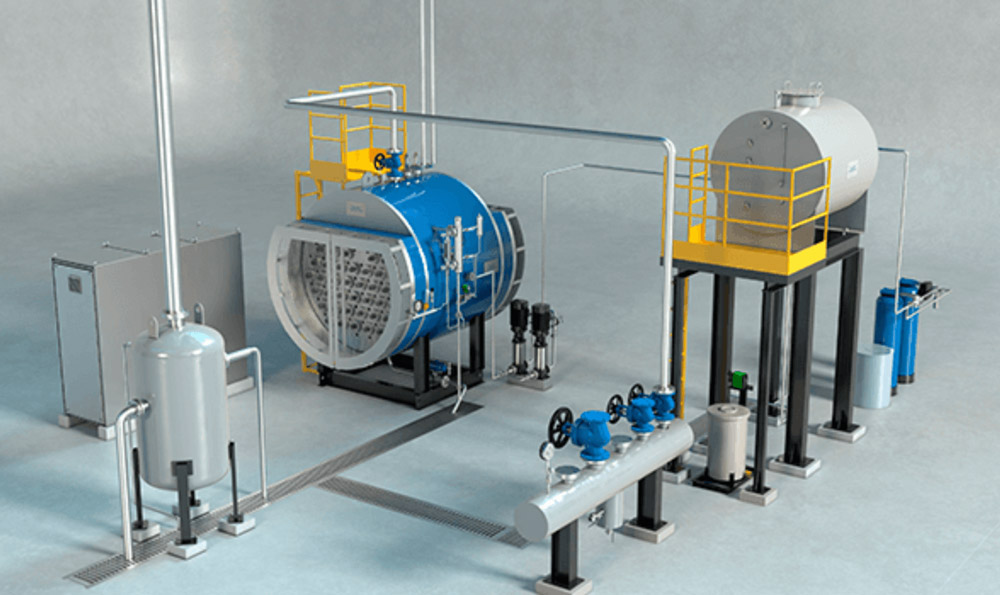
We integrate electric boilers as an efficient and flexible alternative for steam and hot-water generation, especially within electrification and decarbonization strategies. They are ideal for demand peaks, operational redundancy, and the gradual replacement of fossil fuels.
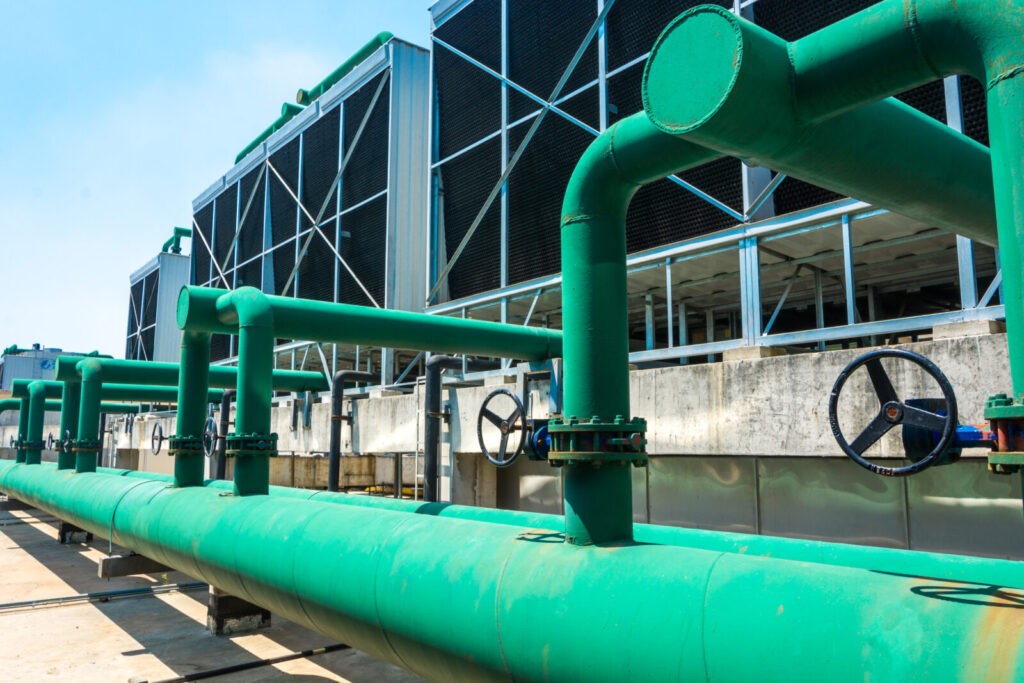
We design hybrid plants that combine high-efficiency electric and thermal generation. These solutions support continuous operations, optimize energy use, and reduce dependence on the grid—strengthening the automotive industry’s energy resilience.
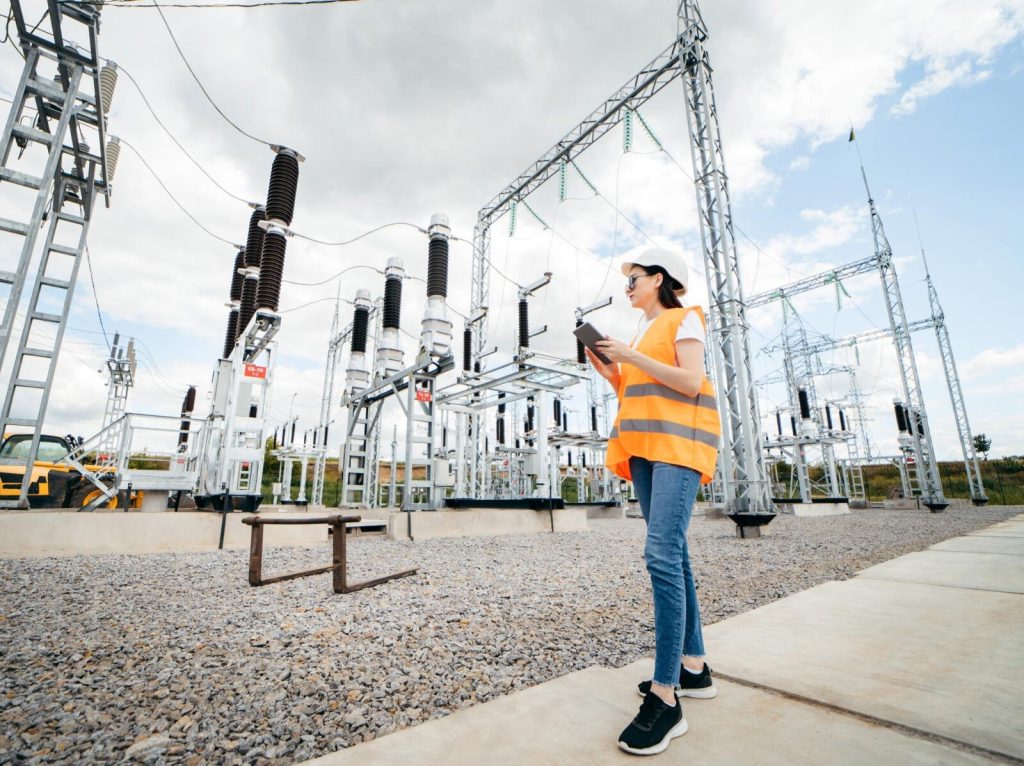
A solution to ensure a reliable and safe power supply with the quality required by the automotive industry. It delivers voltage stability, reduces outage risk, and increases operational predictability—supporting critical processes such as assembly lines, industrial robotics, presses, painting, and automated systems that are sensitive to electrical variations.
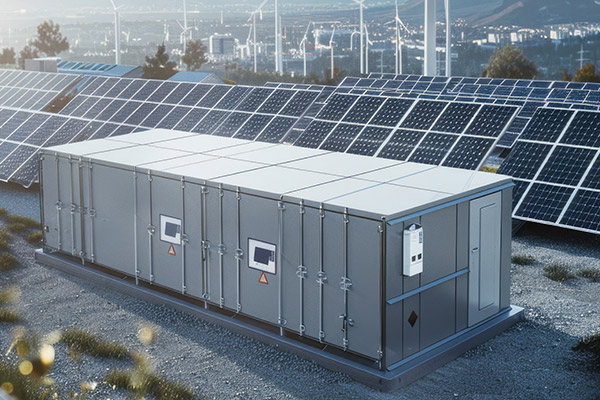
Battery systems that support the grid, enabling peak shaving (reducing demand during peak hours) and ensuring operational continuity in the event of micro-outages, which can cause extremely costly production stoppages.
Get in touch with one of our consultants—we’ll help you, free of charge, identify opportunities for operational improvements related to energy, so your business becomes more efficient and competitive in an increasingly demanding market.
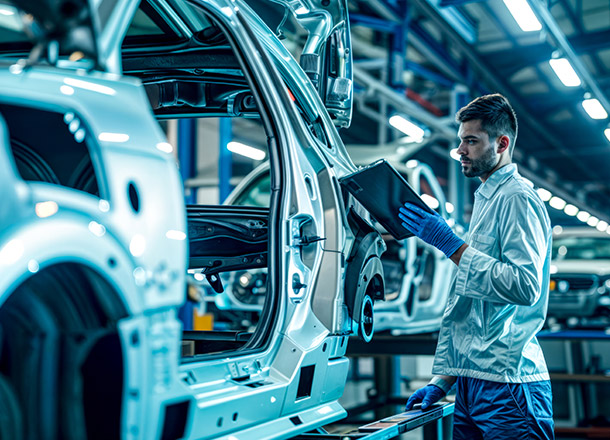
Decarbonizing the automotive industry requires modernizing how electrical and thermal energy is generated, distributed, and consumed. Processes such as painting, heating, steam, HVAC, and automation demand high reliability and continuous operation, making the adoption of electric solutions, biomass, and high-efficiency hybrid systems strategic. By integrating low-carbon sources and smart utilities management, we reduce emissions, increase energy efficiency, and strengthen the industry’s competitiveness in the face of new environmental and regulatory requirements.
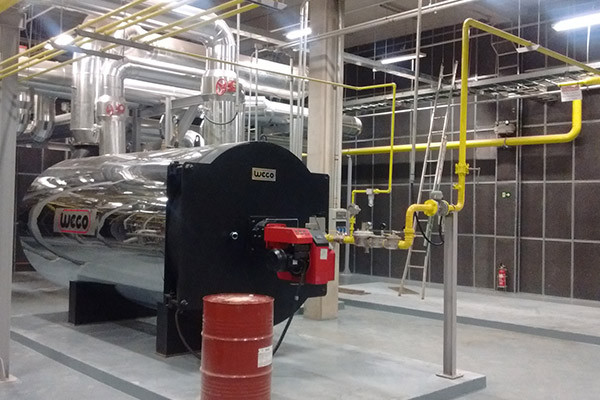
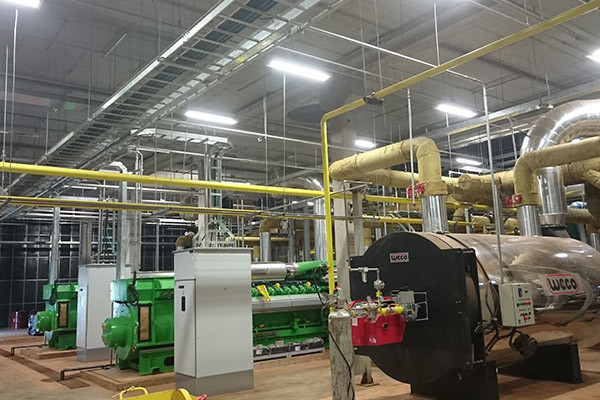
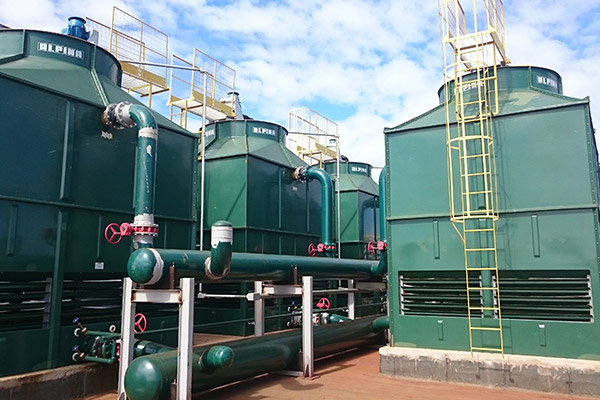
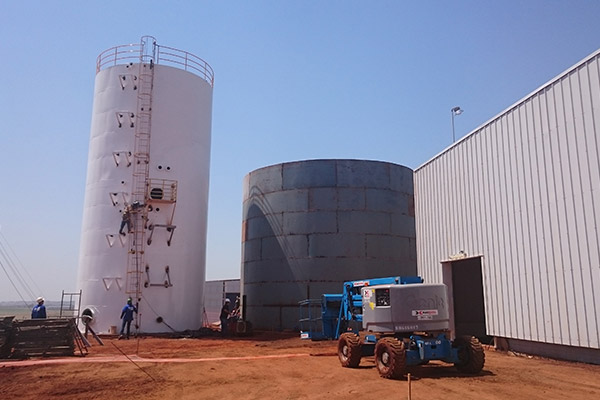
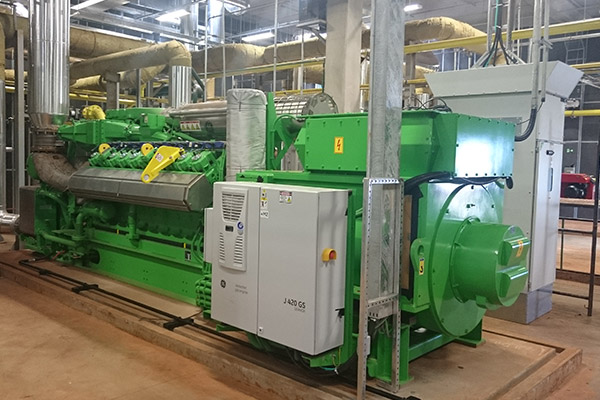
To supplement the utility supply, which alone would not be sufficient to meet the plant’s full electrical load, Ecogen implemented an integrated natural gas cogeneration and chilled water generation solution. The system comprises two generator sets with a combined capacity of 2,700 kW, a 300 TR hot water absorption chiller, two electric chillers with a combined capacity of 1,200 TR, and three 7-bar air compressors. In addition to meeting the facility’s electricity and chilled water demand, the project recovers heat from the cogeneration process to produce the hot water used by the plant, while keeping the natural gas heater as a backup system. Ecogen also took over the operation and maintenance of the utilities plant and compressed air system, providing greater cost predictability and reliability for the production process.
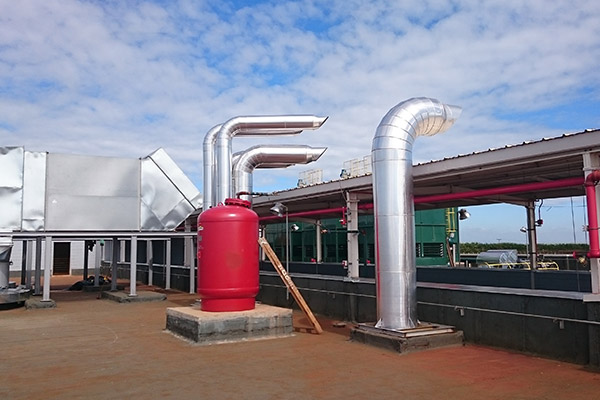
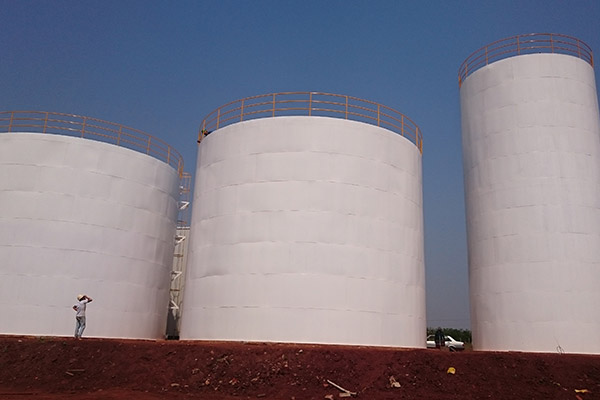
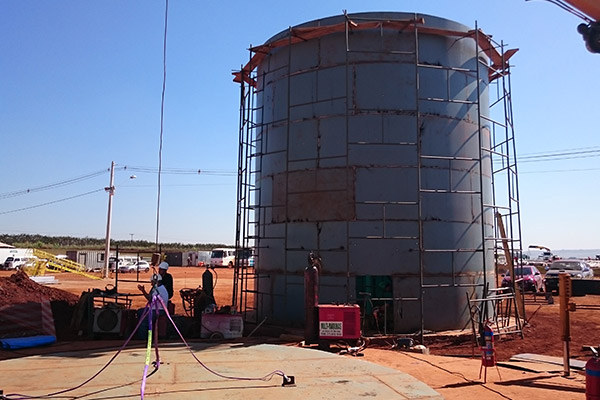
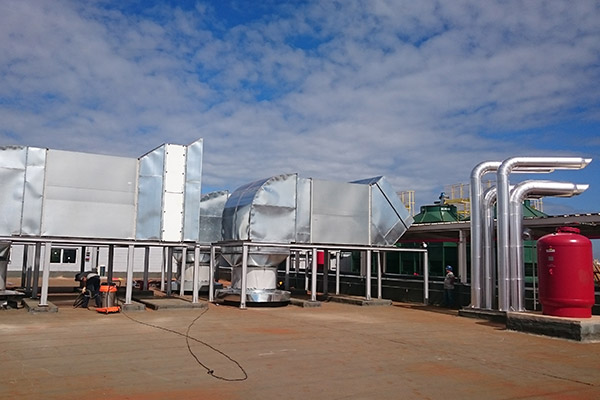
Electricity, chilled water and hot water demands of the plant fully met
Predictable operation and maintenance costs for the utilities plant and compressed air system
Request a free assessment of your automotive industry energy landscape.