

Energy efficiency, operational reliability, and decarbonization for critical industrial operations.
The textile industry faces a highly competitive environment, pressure for operational efficiency, and increasing demands for sustainability. Processes such as dyeing, washing, drying, and finishing rely heavily on thermal and electrical energy, operating continuously and sensitive to supply variations. At the same time, energy costs and environmental targets directly impact business profitability. We act as strategic partners by developing and operating integrated energy solutions that increase efficiency, ensure cost predictability, and support the decarbonization of the sector.
We work to transform the high energy consumption of the textile sector into efficiency, operational reliability, and sustainable competitiveness.
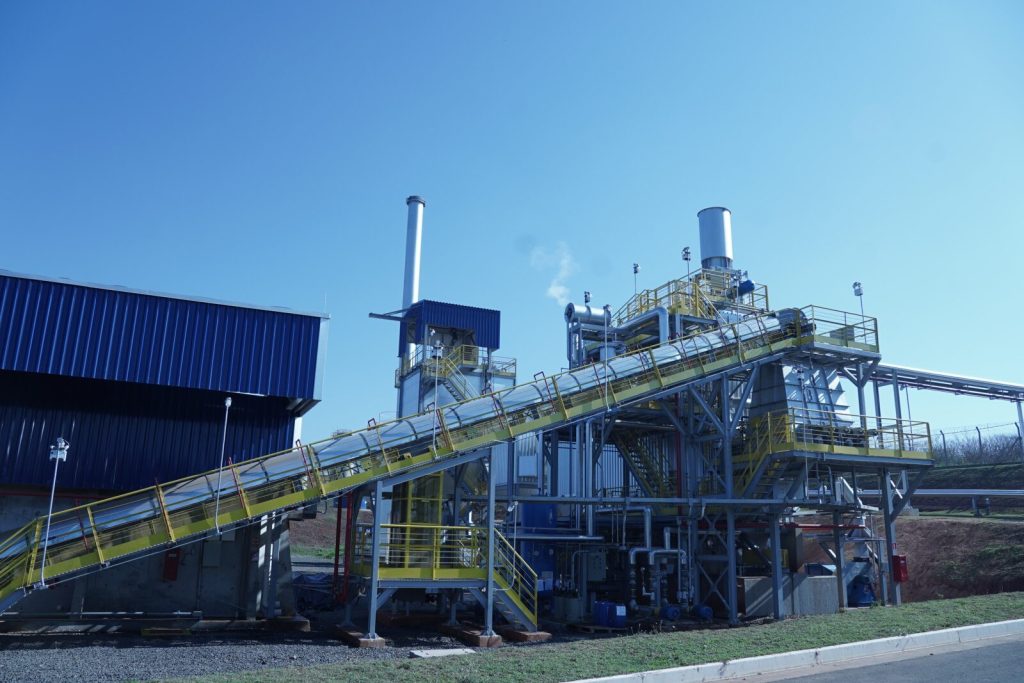
We develop steam and hot water generation systems from renewable biomass, reducing costs and emissions. The solution serves critical processes such as dyeing, washing, drying, finishing, and industrial utilities, ensuring thermal stability and continuous operation.
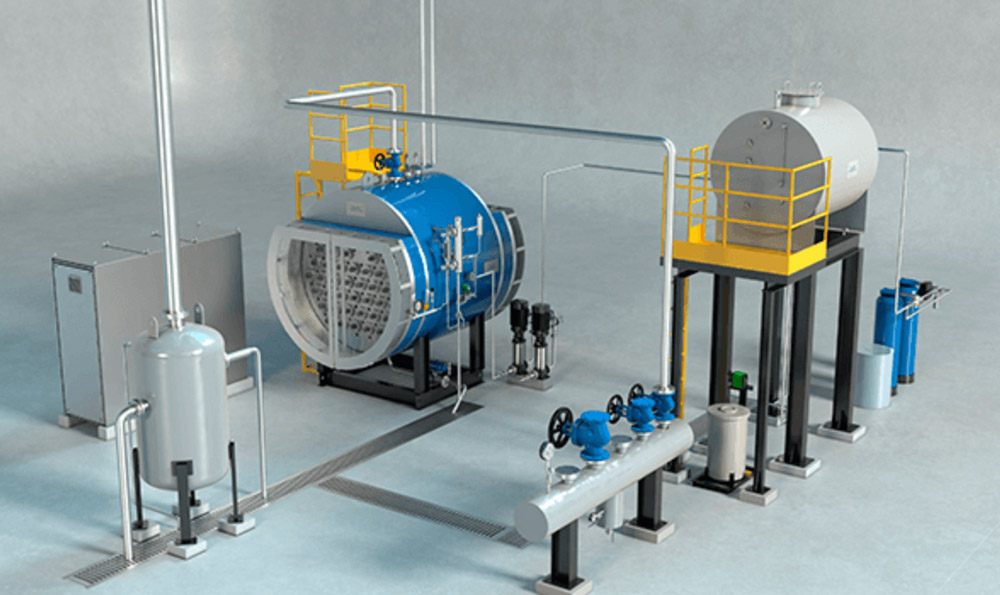
We implement electric boilers as a complementary or backup solution for steam and hot water generation. The application offers rapid response, precise control, and support for plant start-ups, peak loads, and electrification and decarbonization strategies.
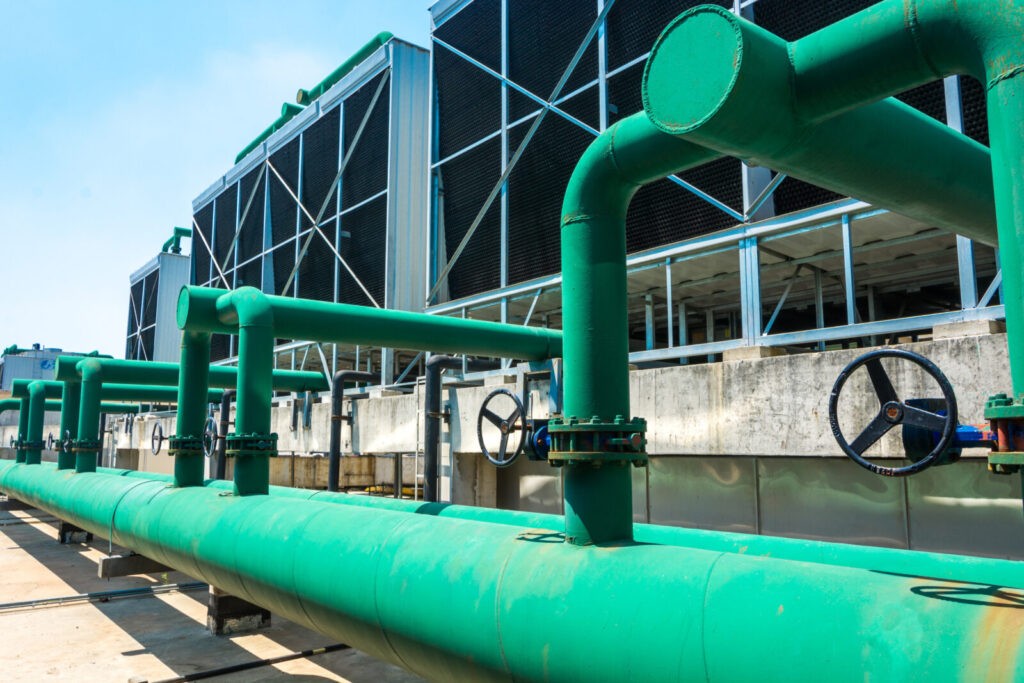
We develop generation and cogeneration solutions that integrate electrical and thermal production in highly efficient systems. This approach optimizes energy use and simultaneously meets the electricity and heat demands of textile processes.
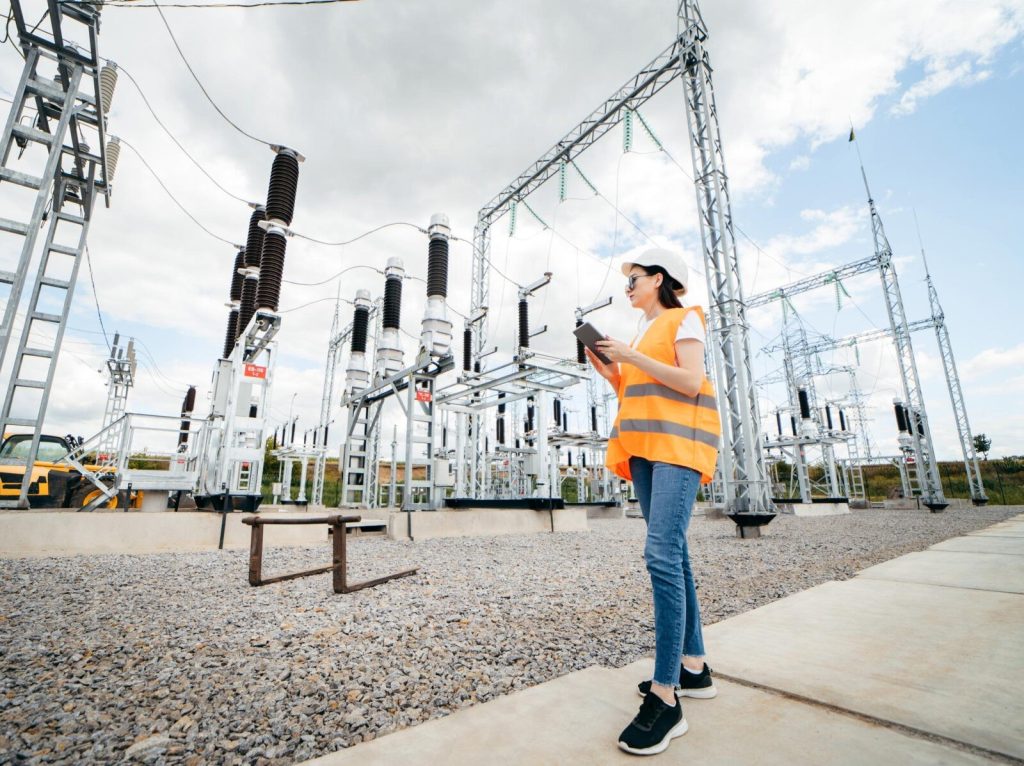
We design and operate dedicated substations to ensure a stable and secure power supply. The solution serves spinning, weaving, finishing machines, large motors, and automated systems, reducing the risk of production downtime.
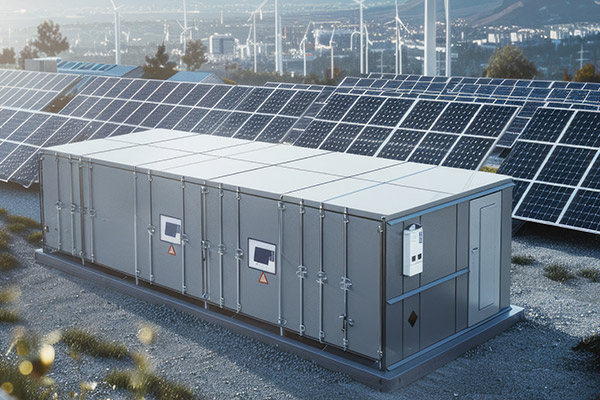
We implemented battery system solutions to support the grid, enabling peak shaving (reducing demand during peak hours) and ensuring operational continuity in case of micro-interruptions, which can cause very costly production stoppages.
Get in touch with one of our consultants, and we’ll help you, free of charge, to identify operational improvement points related to energy, so that your business becomes more efficient and competitive in an increasingly fierce market.
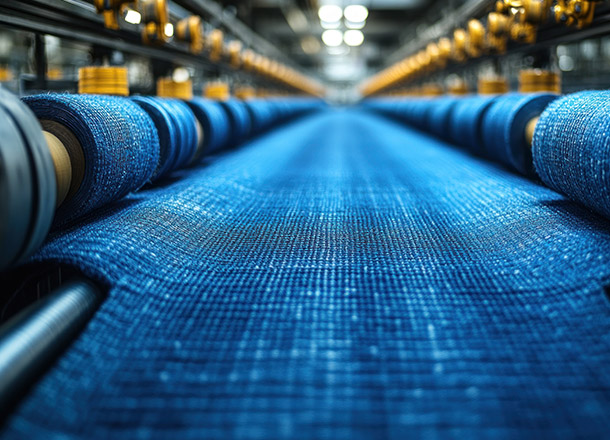
Decarbonizing the textile industry involves how electrical and thermal energy is generated and used in intensive and continuous processes. Stages such as dyeing, washing, drying, and finishing require a reliable and efficient supply, making the replacement of fossil fuels with biomass, electrical solutions, and efficient cogeneration systems strategic. By integrating low-carbon sources, energy efficiency, and specialized utilities management, we reduce emissions, increase operational efficiency, and strengthen the industry’s competitiveness in the face of environmental and market demands.
Request a free energy assessment for your textile industry.